Allister Frost’s ‘Six Change Postures’
Over years of delivering keynotes and workshops, I have observed that busy people naturally adopt one of six universal postures when confronting workplace change. Recognising your default posture is the first step to reclaiming your energy and momentum.
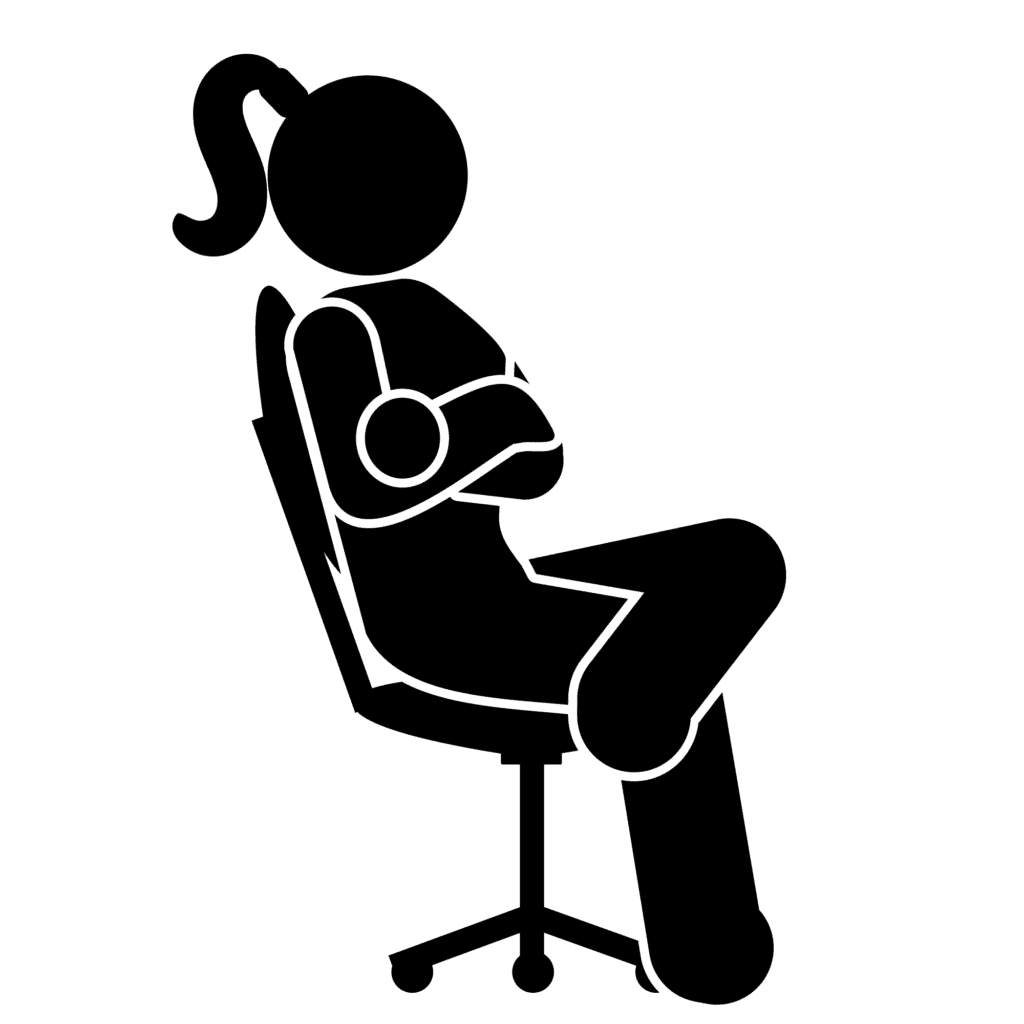
The
Tactical
Bystander
“I’ll happily nod along and say the right words, but we all know nothing will really change with our leadership and culture. I’ll wait this out.”
You have wisely taken a back seat. You see the corporate dysfunction clearly, but experience has taught you that sticking your neck out is the quickest way to get caught in the crossfire. So you keep your head down, tick the necessary boxes, and wait to see where leadership drives next.
Recognising this posture is not self-criticism; it is a healthy reality check. Detachment is a rational self-preservation strategy. When you feel change is something inflicted from above rather than shaped by you, sitting quietly in the passenger seat feels like the safest way to protect your career.
Around
of employees feel trapped as Tactical Bystanders
Why You Feel This Way
- Learned helplessness: You have seen too many well-intentioned ideas vanish into approval committees, corporate politics, or shifting executive priorities.
- The compliance compromise: It’s easier to offer performative agreement and nod along in meetings than spend political capital fighting an uphill battle.
- Perceived lack of agency: When the organisation feels too big and bureaucratic to influence, staying disengaged looks like the only sensible choice.
The Shift You Need:
Reclaiming Personal Agency
Change feels disempowering when you wait for executive permission to improve how you work.
Try this instead: You don’t need board approval or an enterprise-wide transformation initiative to make a positive change. You can become more future-ready when you reclaim agency over your immediate workspace. Instead of waiting for leadership to fix the big picture, focus on solving the small frictions within your direct reach. Taking ownership of what you can control shifts you from being a passive passenger to an active problem solver.
One Micro-Action to Try Today
Challenge your immediate square metre
Pick one routine procedure or unnecessary piece of friction that annoys you every time.
Now, without waiting for a management taskforce or asking for permission, test a small, low-risk improvement on your own terms today. Focus entirely on making that single routine faster, simpler, or less painful for you and your colleagues.
The bottom line: Staying detached protects you from the crossfire, but it also stalls your momentum. You do not need permission to fix the ground beneath your feet. Just do it.