
Understand how your people react to change, and discover how to help them move forward.
For years, business leaders have asked me the same question:
“Why do our people resist change even when it makes total sense?”
Standing on stage delivering keynotes and running interactive workshops with thousands of professionals, I began spotting a pattern. Sometimes I could even spot this in the way people sat in their chairs when I start talking about change!
Here’s what I know: Change resistance is rarely due to stubbornness or bad attitudes. It is an instinct to protect energy, hard-earned status, or the relative comfort and stability of the status quo.
I developed the Six Change Postures to give organisations a practical, judgment-free diagnostic tool. Instead of treating resistance as a problem to punish, these postures help you pinpoint why momentum is stalling, so you can support every employee as they reclaim their future-ready drive.
How to Use These Postures
- Spot your default: Read through the six postures below and identify the one you find yourself slipping into when corporate disruption lands on your desk.
- Normalise the feeling: None of these postures are flaws. They are rational reactions to uncertainty, fatigue, or outdated processes.
- Test my suggested micro-action: Explore your posture to uncover why you feel that way and take a micro-step today.
- Share with your colleagues: Find out what others think. Did you self identify correctly, and what postures do they adopt?
Explore the Six Postures
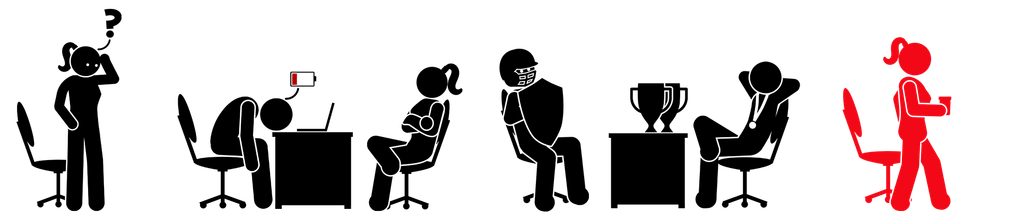
The Exhausted Survivor (~35%)

“Enough already! We’ve had five years of constant change; just let me do my actual work!”
Running on empty and conserving every ounce of bandwidth to survive the working week.
The Tactical Bystander (~30%)

“OK, I’ll nod along and say the right words, but we all know nothing will really change with our leadership and culture.”
Wisely taking a back seat and sitting in the passenger seat to stay out of the corporate crossfire.
The Frozen Perfectionist (~15%)
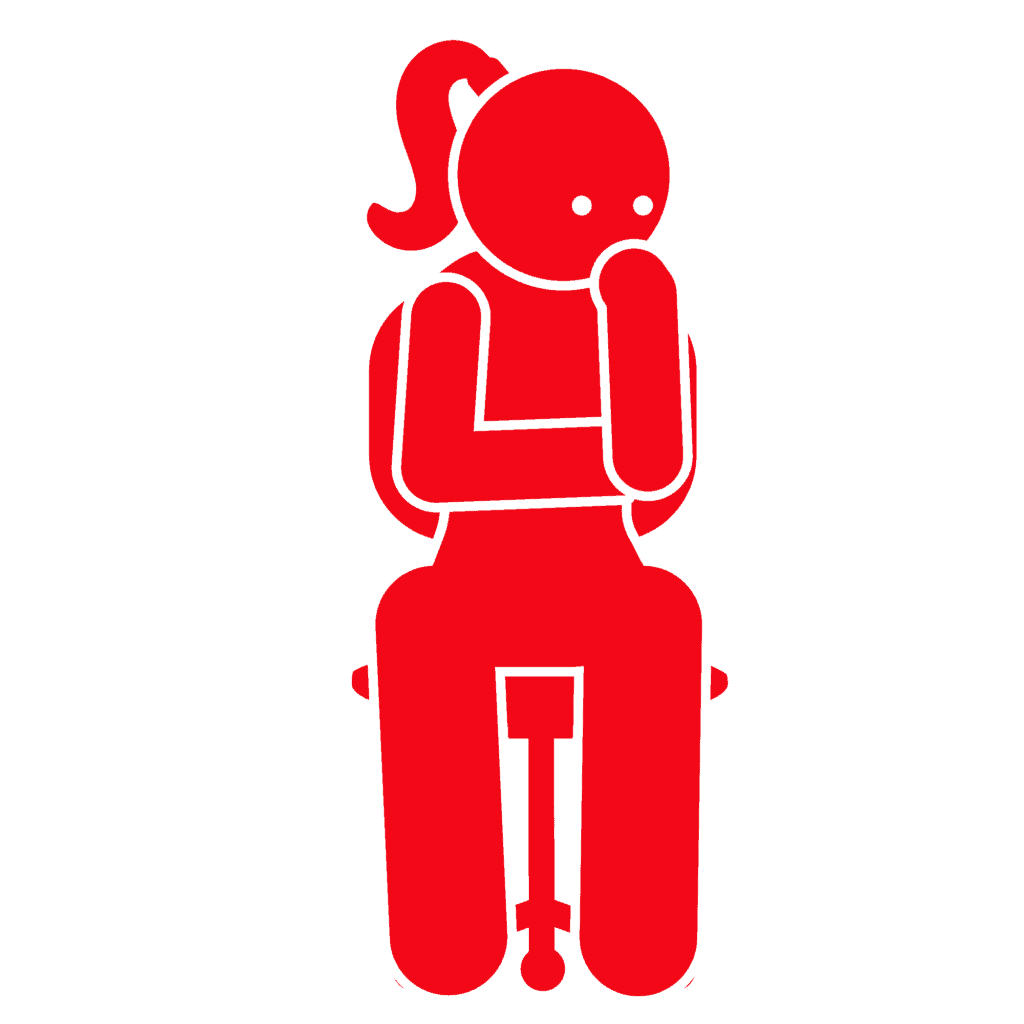
“I know we need to evolve, but there is so much going on and I’m not convinced. Now is simply not the right time, I’m not ready.”
Caught in the glare of incoming tech and high personal standards, waiting for guaranteed clarity before making a move.
The Legacy Expert (~10%)

“It isn’t broken, so don’t waste time fixing it! Our past methods have always worked well. Let’s stick to what we know.”
Defending hard-earned status, proven playbooks, and the high craft perfected over years of experience.
The Streetwise Sceptic (~5%)
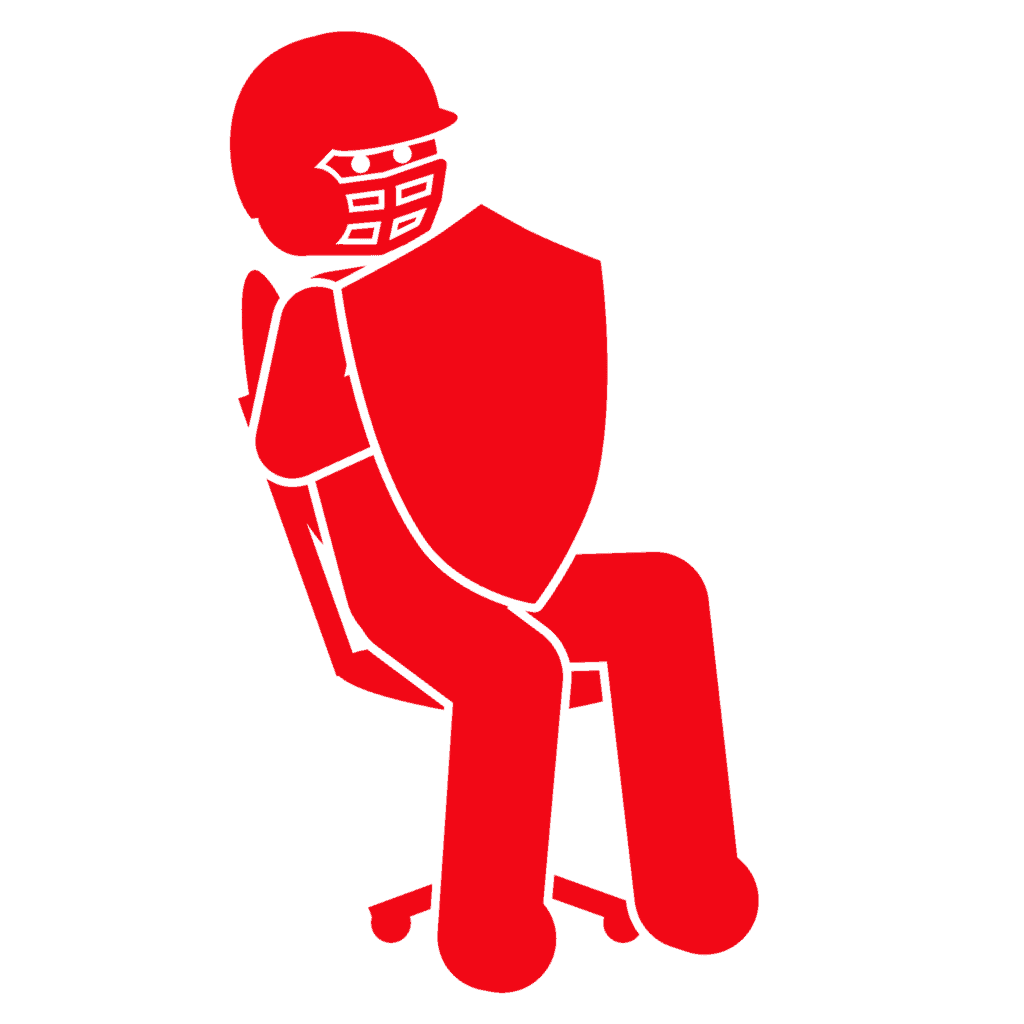
“Here we go again! I’ve survived seven of these failed rollouts. I’ll just keep my shield raised, defend my patch, and wait this one out. This too shall pass.”
Eroded trust from past rollout failures, dug into a bunker to protect their corner and hard-won stability.
The Eager Implementer (<5%)

“Yes! I’ve been longing for this, let’s do it, I’m all in! Oh, just one thing though: please tell me where and how to start.”
Poised on the starting blocks with engines revving, ready to channel infectious drive into focused, shared habits.
The Change Postures Bottom Line
Adaptability isn’t a personality trait you are born with. It’s an everyday habit you choose to practice.
Once you recognise your posture, you can change your position.